

Forklifts are the workhorses of warehouses across Malaysia, from Klang to Penang. They are essential for productivity, but let’s face the reality: they are heavy machinery that, if mishandled, pose severe safety risks.
While initial training provides the basics, skills can fade, and regulations change. This is why Eversafe Universal and industry safety bodies strongly recommend that forklift operators undergo refresher training at least once every two years.
Regular training isn’t just a box-ticking exercise to satisfy a DOSH auditor—it is a strategic investment in safety, efficiency, and workforce professionalism.
Here is why keeping your operators’ training up to date is critical for your business.
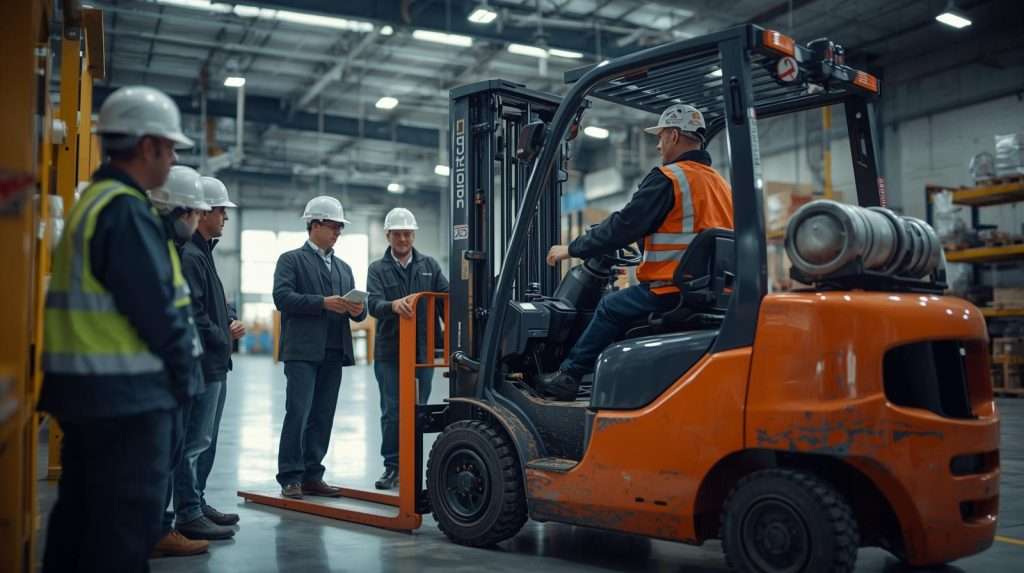
Table of Contents
1. Compliance with Evolving DOSH & OSH Regulations
Occupational Safety and Health (OSH) regulations in Malaysia are not static. Relying on training from five years ago may leave your company exposed to legal risks under the Occupational Safety and Health Act 1994 and the Factories and Machinery Act 1967.
Refresher training ensures your team:
- Stays current with the latest DOSH/OSH requirements.
- Understands changes in legislation and enforcement expectations.
- Maintains valid competency records, ensuring you are audit-ready at all times.
2. Combating Complacency and Bad Habits
Familiarity breeds complacency. Over time, even the most experienced operators can develop “shortcuts” or unsafe habits due to overconfidence.
Our Forklift Safety & Certification Training acts as a reset button. It corrects unsafe behaviors, reinforces Standard Operating Procedures (SOPs), and strengthens discipline. A well-trained operator is an alert operator—one who respects the machine and the rules.
3. Boosting Morale and Operator Confidence
Training is about people, not just rules. When you invest in refresher programs, you signal to your operators that they are skilled professionals worth investing in.
This recognition boosts motivation and builds the confidence needed to handle real-life challenges. The result? Operators who take pride in their jobs, feel less stress during operations, and take personal ownership of workplace safety.
4. Reducing Accidents, Damage, and Downtime
The cost of a forklift accident goes far beyond the immediate injury. It includes damaged goods, crushed racking, equipment repairs, and costly operational downtime.
Many incidents are caused by outdated knowledge or a momentary lapse in judgment. Regular training minimizes these risks by keeping safety at the forefront of the operator’s mind. Prevention is always more cost-effective than the aftermath of an accident.
5. Refreshing Practical Skills & Hazard Awareness
Theory is important, but practical handling is where safety happens. At Eversafe Universal, our refresher courses allow operators to get hands-on practice in a controlled environment, revisiting critical concepts such as:
- The Stability Triangle and load center dynamics.
- Pedestrian Safety and managing blind spots.
- Daily Routines like battery charging, refueling, and pre-shift inspections.
6. Building a “Safety-First” Culture
Finally, regular training sends a powerful message to the entire organization: Safety is a continuous priority, not a one-time event.
When competency matters at every level, it fosters a culture where everyone feels responsible for preventing accidents. A trained workforce creates a safer, more professional, and ultimately more productive organization.
Conclusion
Forklift refresher training is more than a recommendation—it is a proactive strategy for legal compliance, accident prevention, and skill enhancement.
By investing in regular training with Eversafe Universal, organizations protect their most valuable assets: their people and their reputation. Plus, our training programs are HRD Corp Claimable (SBL-Khas), making it easier for you to upskill your workforce.
Don’t wait for an accident to realize the value of training.